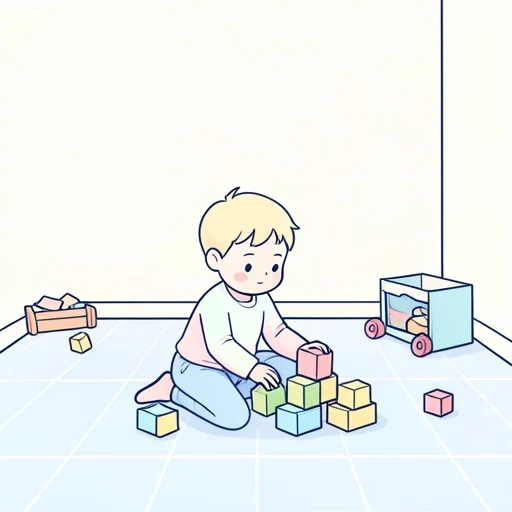
幼い
Meaning in Englishvery young, childish, immature
Animated kanji stroke order
Related sentences
Related sentences
There are no published items in this section yet.
Word context
What it means
幼い means young in age, typically describing a child who has not yet reached maturity; it also conveys innocence or naivety in a gentle, sometimes evaluative sense, depending on context.
Main meanings
- Primary sense: the state of being in the early developmental stage, typically referring to children.
- Nuance: implies innocence or naivety; tone may be affectionate or slightly condescending depending on context.
- Usage extension: can describe behaviors or appearances that resemble youth or lack of experience.
How to use it
Used in neutral or descriptive narration, academic and literary prose, and everyday speech; appropriate when referring to a child or childlike behavior. In formal writing, it is common to pair with 子 or 児 to emphasize age, while in casual speech it can carry warmth or critique depending on tone; typical phrases include 幼い頃 and 幼い性格.
Variants and close terms
- 若い (wakai) — young
- 子供っぽい (kodomoppoi) — childish
- 未熟 (mijuku) — immature
Composition
- 幼: young, infant; the core meaning related to early life
- い: adjective suffix that turns the concept into an i-adjective describing a state or quality
Etymology
Phonetic evolution: the term combines the kanji 幼 with the adjective suffix い; over historical usage the reading and meaning settled into the modern sense of youth and childishness.
Word class
adjective (i-adjective)