幼稚
Meaning in Englishinfancy, childish, infantile
Animated kanji stroke order
Related sentences
Related sentences
There are no published items in this section yet.
Word context
What it means
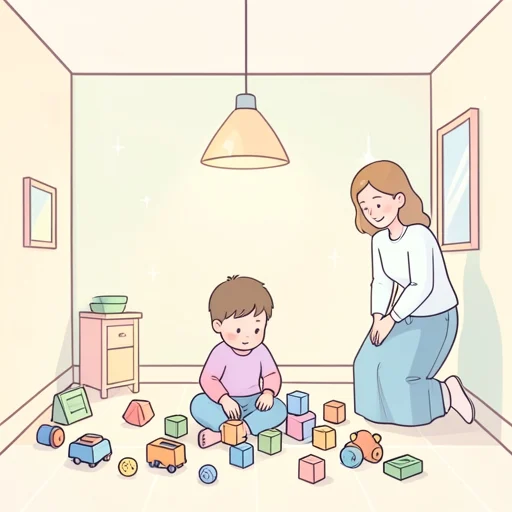
幼稚 means childish or immature. It describes behavior or attitudes that are not mature for the situation, often signaling naivety or a lack of serious judgment and emotional control.
Main meanings
- behavior or thinking that shows a lack of maturity
- naivety or lack of sophistication in ideas or speech
- rudimentary or unsophisticated technique or design when paired with nouns like 技術 or 方法
How to use it
Used as a na-adjective to modify nouns with 幼稚な, it is common in both formal writing and everyday speech. It carries a negative nuance when describing adults' behavior, and it is typically applied to actions, opinions, or expressions rather than to a person as a fixed trait.
Variants and close terms
- 子供っぽい (kodomo-ppoi) — childish
- 未熟 (mijuku) — immature, inexperienced
- 初歩的 (shohoteki) — rudimentary, basic
- 大人っぽい (otonappoi) — mature, adult-like
Composition
- 幼: young, infant
- 稚: immature; juvenile
- combined meaning: the state of being in an early, undeveloped stage, hence not fully mature
Etymology
Phonetic evolution: 幼 contributes the on'yomi yō and 稚 contributes chi; when combined as yōchi the term acquires the sense of youth and early development that underlies its meaning of immaturity.
Word class
na-adjective (形容動詞)