恥
Meaning in Englishshame, embarrassment
Animated kanji stroke order
Related sentences
Related sentences
There are no published items in this section yet.
Word context
What it means
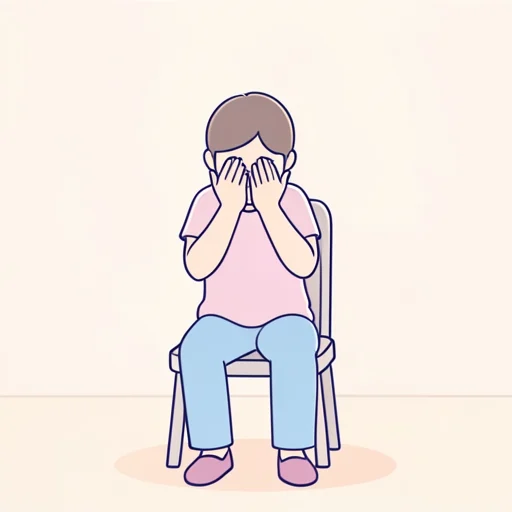
恥 means the feeling of shame or embarrassment in social contexts. It refers to the subjective sense of fault or impropriety in one’s actions as judged by social norms, often prompting avoidance, apology, or restrained behavior.
Main meanings
- shame or embarrassment as a social emotion tied to reputation and accepted norms.
- moral self-reproach or a sense of personal fault in relation to others’ expectations.
- related phrases and concepts such as 恥を知る, 恥をかく, and 恥じらい used to describe varying degrees of self-consciousness.
How to use it
Used as a noun to denote the feeling of shame in social contexts; common in everyday speech and formal writing, and it appears in phrases like 恥を知る, 恥をかく, 恥じらい, and 恥ずかしい to express different intensities of embarrassment.
Variants and close terms
- 羞恥心 (shūchishin) — sense of shame
- 恥ずかしさ (hazukashisa) — embarrassment or bashfulness
- 恥を知る (haji o shiru) — to know one’s shame
Etymology
phonetic evolution The kanji 恥 has kun readings such as haji and on readings such as chi, reflecting historical pronunciation shifts; the term has long been used in both classical and modern Japanese to denote the social emotion of shame.
Word class
Noun (名詞)