憎しみ
Meaning in Englishhatred
Animated kanji stroke order
Related sentences
Related sentences
There are no published items in this section yet.
Word context
What it means
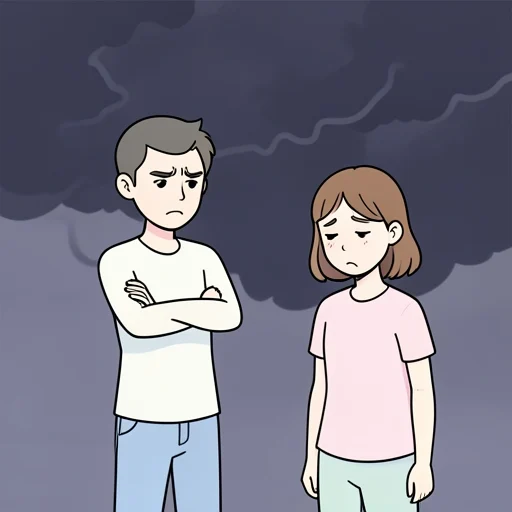
憎しみ (nikushimi) means a powerful, sustained feeling of hatred or loathing toward a person, action, or idea; it denotes emotional hostility that goes beyond simple dislike and often implies bitterness or desire for revenge in interpersonal and narrative contexts.
Main meanings
- Resentment or a long‑standing grudge that colors attitudes and behaviour over time rather than a brief anger.
- An abstract or collective hostility used in social, political, or literary discourse to describe group animosity.
- The emotional catalyst in stories and songs that motivates revenge, conflict, or tragic outcomes.
- A psychological or moral concept in analyses of conflict, trauma, and reconciliation.
How to use it
Used as a noun across spoken, written, and literary Japanese to label hostile feelings; carries a strong, often negative tone so it appears in news reports, novels, films and everyday complaints when speakers emphasize deep animosity rather than mild dislike; grammatically it functions like other abstract nouns and combines naturally with verbs and particles to describe holding, expressing, or resolving such feelings.
Variants and close terms
- 憎悪 (zōo) — intense hatred, abhorrence.
- 憎む (nikumu) — to hate (verb form related to the noun).
- 恨み (urami) — grudge, resentment (longstanding bitterness, often personal).
- 嫌悪 (ken'o) — disgust or strong aversion.
- 愛 (ai) — love (antonym).
Composition
- 憎 — the kanji conveys detestation, dislike, or hatred and serves as the lexical root.
- the trailing しみ derives from the noun-forming element attached to the verb stem of 憎む (nikumu), producing an abstract noun that names the feeling or state.
Origin
The lexical item appears in classical and medieval Japanese literature and continued into early modern usage; as a psychological and moral concept it figures in Buddhist, poetic, and legal texts where interpersonal hostility and the social consequences of hatred were discussed and recorded.
Word class
noun (名詞)