景色
Meaning in Englishscenery, landscape, view
Animated kanji stroke order
Related sentences
Related sentences
There are no published items in this section yet.
Word context
What it means
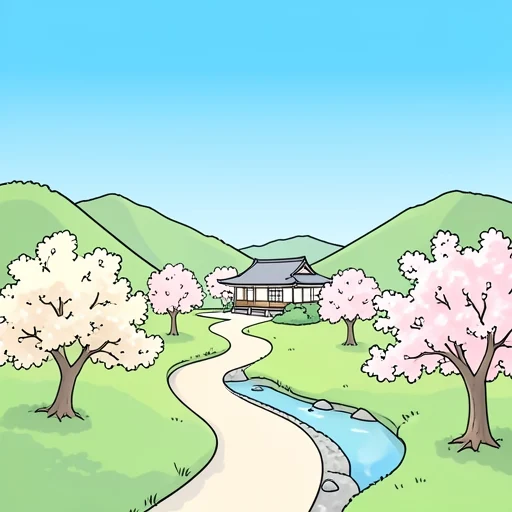
景色 means the visual appearance of a place as perceived from a specific vantage point. It is a noun describing the overall panorama of nature, streets, and built environment in a setting, whether tranquil or bustling.
Main meanings
- The overall visual impression of a place, including natural or built surroundings.
- Used with verbs describing looking or gazing at something, such as 景色を眺める or 見える景色.
- Literary or travel contexts where the mood or atmosphere of a scene is described.
How to use it
Used in both formal and casual contexts to describe the visible landscape from a location. In travel writing, film, and photography, 景色 often appears with adjectives like 美しい or phrase 景色を眺める; common collocations include 景色がいい and 景色を楽しむ.
Variants and close terms
- 風景 fuukei — more formal or poetic term for landscape
- 景観 keikan — landscape in a broader sense, often for urban planning
- 眺め nagame — view, the act of looking at a scenery
Composition
- 景: scene, view; the core idea of what is seen
- 色: color, appearance; conveys the overall presentation
- Together they form a noun meaning the visible panorama as a unified whole
Etymology
Pronunciation development:景色 is a native compound read けしき (keshiki); the characters are of Chinese origin, but the current pronunciation is a native Japanese reading formed for this sense.
Origin
Classical Japanese usage; earliest attestations appear in Heian literature and poetry, later widespread in Edo-period travel writing and landscape descriptions.
Word class
Noun (名詞)