武士
Meaning in Englishwarrior, samurai
Animated kanji stroke order
Related sentences
Related sentences
There are no published items in this section yet.
Word context
What it means
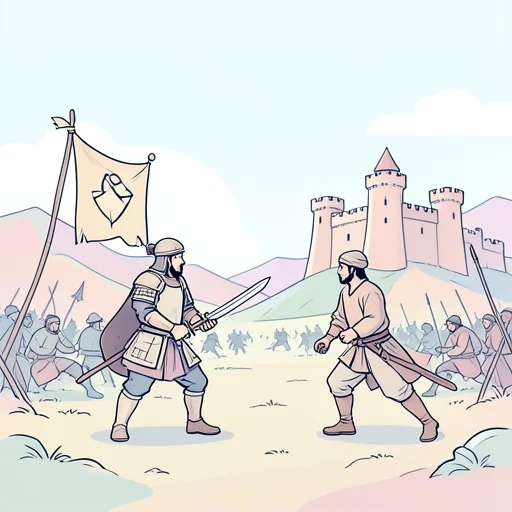
武士 (bushi) means a professional warrior or samurai; it denotes an individual trained for combat who typically serves a lord or belongs to a martial social role, embodying duty, martial skill, and loyalty within Japanese contexts.
Main meanings
- Historically, a social category of hereditary retainers with specific legal privileges and obligations distinct from peasants and courtiers.
- As a generic term, any armed fighter or combatant in literature and historical description, not limited to the formal samurai class.
- Figurative usage to describe someone who follows martial or disciplined ethics in conduct rather than literal fighting.
- Component in compounds that name cultural ideas or practices related to martial values and etiquette.
How to use it
Found in historical texts, academic writing, museum descriptions, popular media (period dramas, anime, novels) and in compound terms; appropriate in formal contexts when discussing class or history and in casual/pop culture contexts when referring to samurai characters or martial spirit.
Variants and close terms
- 侍 (samurai) — traditional sword-retainer, often synonymous but with different historical nuance.
- 兵士 (heishi) — soldier, more modern and general military personnel.
- 武人 (bujin) — martial person or military-minded individual, emphasizes military skill.
- 文士 (bunshi) — literary man or scholar, a cultural contrast to martial roles.
Composition
- 武 (bu): relates to military, martial strength, or force.
- 士 (shi): denotes a person, gentleman, retainer, or specialist of a class.
- Together they create the notion of a 'martial person' or 'military retainer'—the basis for the English idea of a samurai.
Origin
The concept consolidated during Japan's medieval period when military families and retainers emerged as political power shifted from court nobles to provincial warriors; by the Kamakura and Muromachi eras the term referred to organized warrior elites and later became central to feudal social structure through the Edo period.
Word class
noun (名詞)