Word
空っぽ
Meaning in Englishempty, vacant, hollow
Animated kanji stroke order
Sentence
Related sentences
Related sentences
There are no published items in this section yet.
Word context
What it means
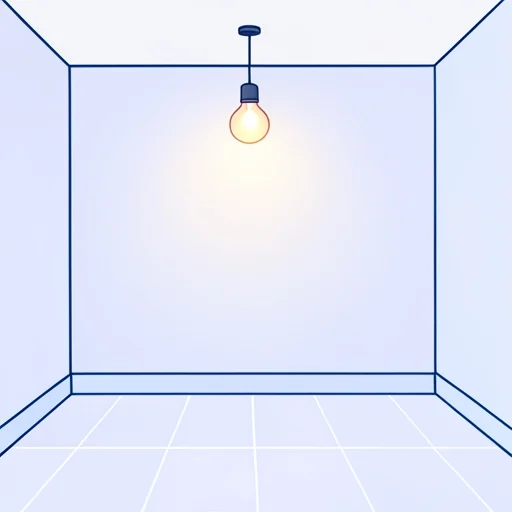
空っぽ means empty or devoid of contents. It describes something with nothing inside and can also be used metaphorically for a lack of substance, energy, or meaning in a person or situation.
Main meanings
- Physical emptiness: describes a container, space, or vessel with nothing inside.
- Metaphorical emptiness: describes a mind, mood, or atmosphere lacking substance or vitality.
- State of being emptied or unfilled: used to express that contents have been removed or left vacant.
How to use it
Used as a noun or na-adjective in casual and written Japanese. It modifies nouns with の (空っぽの財布) and can serve as a predicate with だ/です in informal to semi-formal contexts (空っぽだ). In formal writing, prefer terms like 空虚 or 中身がない.
Variants and close terms
- からっぽ karappo — empty
- 空虚 kukyō — formal or abstract emptiness
- がらんと garanto — emptiness in a spatial sense
Composition
- 空 = core meaning of empty; in this word it carries the semantic load of emptiness rather than the 'sky' sense
- っぽ = suffix indicating appearance or tendency; combined they yield an adjective-like noun meaning 'empty-looking' or 'empty in content'
Etymology
空 indicates emptiness, while っぽ is a suffix that marks appearance or tendency; together they form 空っぽ with the sense of 'empty in content' or 'empty-looking.'
Word class
na-adjective (な-adjective)
Word
Related words by kanji and components
Kanji