立つ
Meaning in Englishstand, stand up
Animated kanji stroke order
Related sentences
Related sentences
There are no published items in this section yet.
Word context
What it means
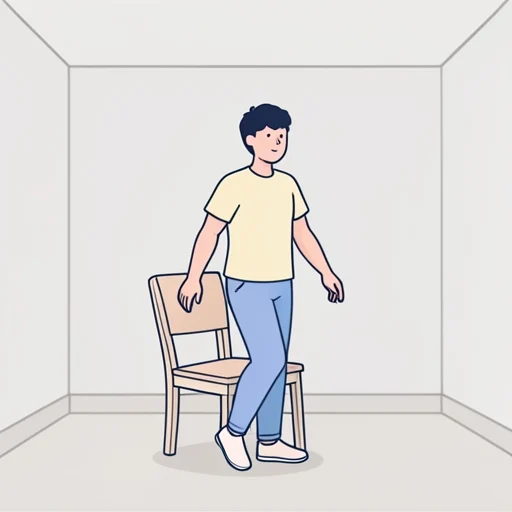
立つ means to rise from a seated or prone position and stand upright; it is an intransitive verb used for people and objects that become vertical.
Main meanings
- rise to one's feet from a sitting, kneeling, or lying position
- become upright or vertically positioned, as a pillar, tree, or monument
- stand up in readiness or in a figurative sense
How to use it
Used in everyday conversation and formal writing to indicate the action of standing up or remaining upright; as an intransitive verb it describes the subject itself rising, and it conjugates across tense, negation, and politeness, commonly appearing in te-form 立って and in phrases that express readiness or onset.
Variants and close terms
- 座る (suwaru) — to sit; antonym
- 立ち上がる (tachiagaru) — to stand up; related form
Composition
- 立: stand
- つ: okurigana that inflects the kanji into a verb form
Etymology
立 expresses the act of standing; tatsu is the kun reading; the kanji's form depicts a person upright, and its shapes have evolved toward the modern glyph.
Origin
Native Japanese verb attested in Old Japanese with wide historical use; it is not borrowed from Chinese for its core verb meaning and appears throughout classical and modern texts.
Word class
Verb (五段動詞, 自動詞)