美しい
Meaning in Englishbeautiful, lovely
Animated kanji stroke order
Related sentences
Related sentences
There are no published items in this section yet.
Word context
What it means
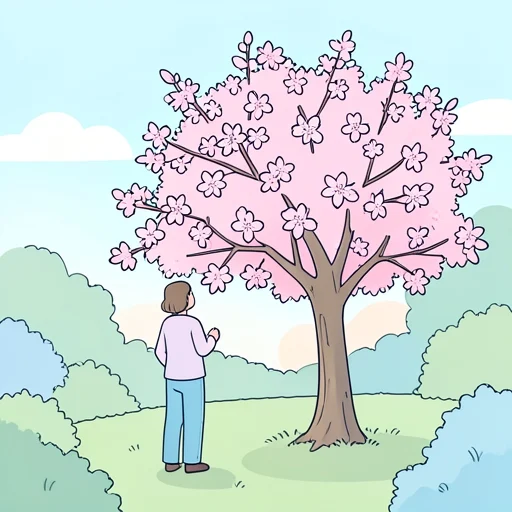
美しい (utsukushii) means beautiful; it describes something that evokes aesthetic pleasure, grace, or emotional admiration. The core concept covers appearances, scenes, works of art, or moments that produce a sense of harmony, elegance, or moving refinement in the viewer or listener, and functions as a standard i-adjective in Japanese to attribute that quality to people, objects, or experiences.
Main meanings
- Describing visual attractiveness or aesthetic harmony in objects, nature, or faces without implying mere cleanliness or neatness.
- Expressing emotional beauty: a scene, gesture, or phrase that moves someone or feels poignant rather than purely pretty.
- Referring to refined style or elegant craftsmanship where form and proportion are valued.
- Used subjectively, so can indicate admiration, poignancy, or poetic evaluation rather than objective measurement.
How to use it
Common across spoken and written Japanese, it appears in casual conversation, formal praise, journalism, and literature; as an i-adjective it modifies nouns directly and serves predicatively, fits polite forms in speech and writing, and can be used sincerely for scenery or art or ironically in colloquial contexts to comment on appearances or actions.
Variants and close terms
- 綺麗 (kirei) — pretty/clean/elegant; often implies neatness or attractiveness.
- 素敵 (suteki) — lovely/nice; more colloquial and emotionally positive.
- 美貌 (bibo) — beauty of appearance; more formal/literary.
- 醜い (minikui) — ugly; antonym.
Composition
美 (bi / utsuku) conveys the idea of beauty or attractiveness; the ending しい (-shii) is the adjectival suffix that turns a quality into an i-adjective, so together the word expresses the state or quality of being full of beauty or moving in a beautiful way.
Origin
The idea of 美 as an aesthetic ideal has deep roots in Japanese culture, gaining prominence during the Heian period through poetry and court aesthetics where taste, refinement, and subtle emotional response were codified; the adjective form used in everyday language developed later as literary concepts of beauty filtered into common speech and artistic descriptions.
Word class
adjective (i-adjective / い形容詞)