Word
違う
Meaning in Englishto be different; to differ; wrong
Animated kanji stroke order
Sentence
Related sentences
Word context
What it means
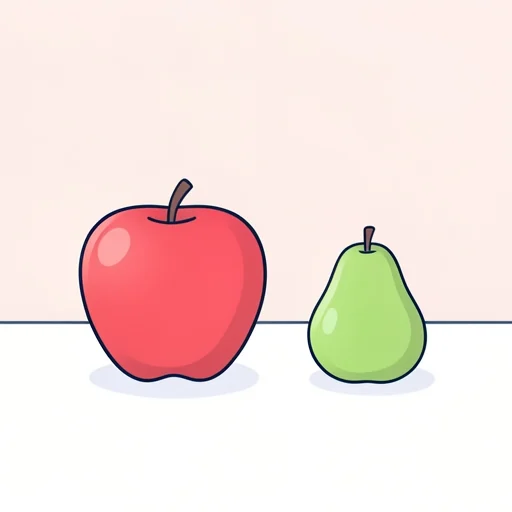
違う means to be different from something else, or to be incorrect in a given context; it covers both that a thing does not match another, and that an assertion or assumption is not true.
Main meanings
- to be different from something else
- to be incorrect or mistaken
- to express disagreement or correction in conversation
- to negate a statement, often with a polite or emphatic tone in response
How to use it
Used in casual speech as the plain form chigau and in polite speech as chigaimasu; appears in present, past, and negative forms depending on context; commonly follows a subject or noun to indicate mismatch, or used to correct an assumption or claim without requiring a literal translation.
Variants and close terms
- 異なる (kotonaru) — to differ
- 相違する (sōi suru) — to differ, formal
- 同じ (onaji) — the same; antonym
- ちゃう (chau) — casual Kansai dialect variant
Composition
- 違: conveys the idea of difference or mismatch; appears in compounds like 違反 and 相違, forming the core sense of not matching
- う: a hiragana ending that marks the verb in its plain non-past form; attaches to the kanji to create 違う
Word class
Verb (godan, u-verb)
Word
Related words by kanji and components
N1
食い違う
kuichigau
to cross each other, to differ
N1
行き違い
ikichigai
misunderstanding, disagreement
N1
違える
chigaeru
to change
N2
勘違い
kanchigai
misunderstanding, wrong guess
N2
相違
soui
difference, discrepancy, variation
N3
すれ違う
surechigau
pass by each other, miss each other
N3
違反
ihan
violation, infringement, breach of rule
N3
違い
chigai
difference, distinction, mistake
N3
違いない
chigai nai
no doubt, surely, must be
Kanji