初めて
Meaning in Englishfor the first time
Animated kanji stroke order
Related sentences
Related sentences
There are no published items in this section yet.
Word context
What it means
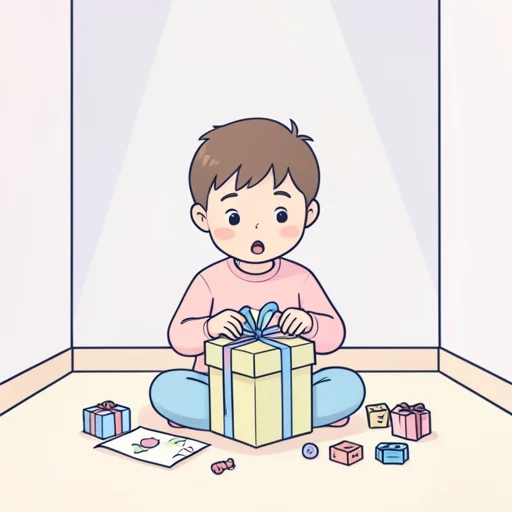
初めて (hajimete) means "for the first time." It signals that an action or experience occurred on the first occasion and had not happened before; in usage it functions adverbially to qualify verbs and can form attributive expressions when followed by の to indicate a person's or event's first instance.
Main meanings
- 1) used to convey a strong personal impression or emotional reaction upon experiencing something new, often followed by a comment about feelings.
- 2) appears in contrasts to repeated actions to highlight uniqueness of a single occurrence rather than frequency.
- 3) combined with temporal phrases to stress the first moment after a change or event (e.g., the first time since a prior point).
- 4) in some contexts implies a tentative or tentative discovery tone—realizing something for the first time rather than reporting a planned first attempt.
How to use it
Common in both spoken and written Japanese across casual and polite registers; typically pairs with past-tense verbs to report personal experiences, can precede nouns as 初めて (hajimete) + の to describe a 'first' noun, and appears frequently in narratives, greetings, testimonials and conversations where someone describes having encountered or done something never before.
Variants and close terms
- 最初 (saisho) — first, initially
- 初回 (shokai) — first time/first session (often formal or commercial)
- 初め (hajime) — beginning, start (noun form)
- 二度目 (nidome) — second time (antonym)
- 何度も (nando mo) — many times (opposite nuance)
Composition
- 初 (hajime) — the character meaning "first" or "beginning," carrying the core semantic element of the word.
- て (te) — okurigana representing the te-form of the verb 初める (hajimeru); this verbal form creates an adverbial/attributive expression that yields the modern sense.
Word class
adverb (副詞), noun modifier with の (連体修飾)