花
Meaning in Englishflower
Animated kanji stroke order
Related sentences
Related sentences
There are no published items in this section yet.
Word context
What it means
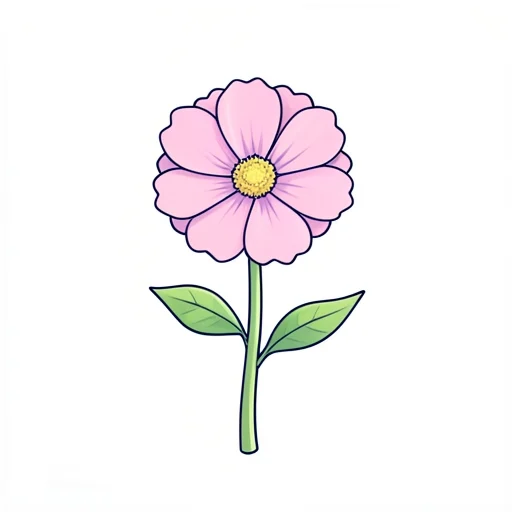
What does 花 mean? 花 (hana) denotes the plant structure that bears reproductive organs and is valued for its petals, color, and scent; in everyday Japanese it names blossoms and by extension the aesthetic idea of floral beauty and display.
Main meanings
- Decorative motif or pattern inspired by blossoms, used on textiles, ceramics, and design.
- Figurative use meaning a person or thing that stands out as attractive or central in a group (a star or centerpiece).
- The flowering phase or bloom period of a plant, emphasizing timing and visual peak rather than the botanical organ.
- Commercial sense referring to cut flowers or items sold by florists.
How to use it
Used as a common noun in casual and formal speech, in botanical and horticultural contexts, and widely in literature and advertising; it frequently appears in personal names, place names, and compound terms related to viewing, arranging, or selling blossoms, with tone varying from neutral (botanical) to poetic or honorific in artistic contexts.
Variants and close terms
- 華 (hana) - emphasis on splendor or showiness, often literary or formal.
- 花卉 (kaki) - technical term for cultivated flowers and ornamental plants.
- 葉 (ha) - leaf, often presented as a botanical counterpart/antonym when contrasting plant parts.
Composition
The kanji 花 (hana) combines the grass/plant radical 艹 placed on top with 化 beneath; the top signals vegetation or plant-related meaning, while 化 (change/transform) contributes phonetic and associative value, together evoking the appearance or transformation into a blossom.
Etymology
花 (hana) is a native Japonic word attested in Old Japanese texts; phonological work compares it to a Proto-Japonic root *pana, where initial *p- regularly shifted to /h/ in later Japanese, yielding the modern pronunciation hana.
Origin
The cultural importance of blossoms in Japan dates back to ancient poetry and court culture (Heian period), where floral imagery shaped seasonal aesthetics; practices such as offering flowers in Buddhism, the rise of ikebana, and communal blossom viewing helped make the concept of 花 (hana) central to Japanese art, ritual, and seasonal life.
Word class
noun (名詞)